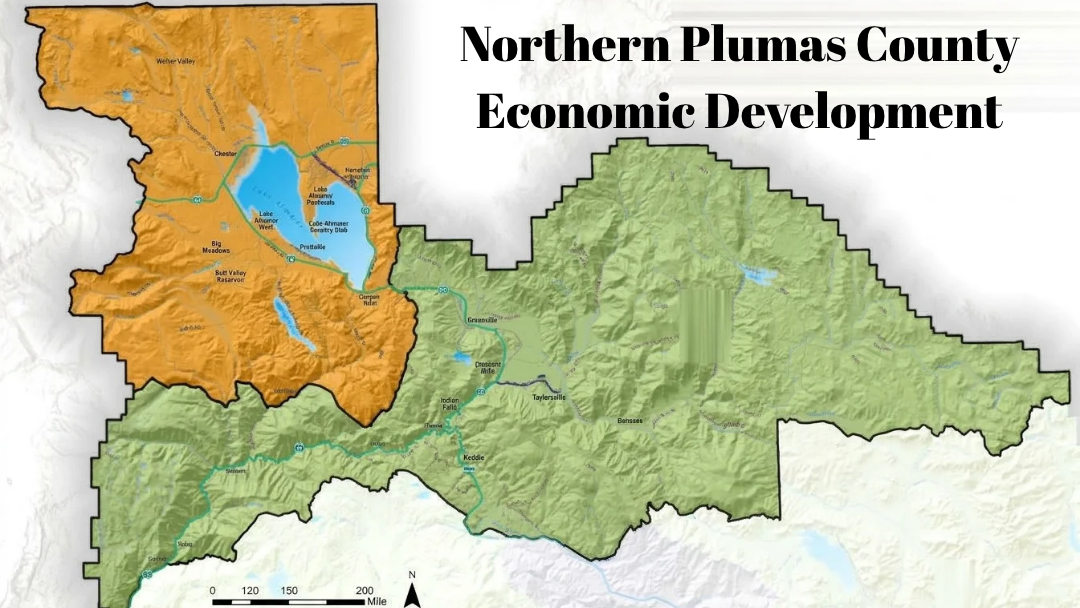
In the wake of the 2021 Dixie Fire, Plumas County faced one of the most significant housing crises in its history. More than 600 homes were lost, including much of Greenville’s attainable workforce housing—sending shockwaves through the region’s economy, workforce, and community stability.
Recognizing the urgency, The Almanor Foundation (TAF) partnered with LMNOP Design in Fall 2022 to develop a long‑term, strategic, and community‑driven approach to rebuilding and strengthening housing across the county.
Three and a half years later, the results are remarkable.
What began as a post‑fire recovery effort has evolved into a countywide housing ecosystem—one that is coordinated, collaborative, and built for long‑term success.
This blog post highlights the major milestones, the newly released 2026–2028 Plumas County Housing Strategy Framework, and what comes next.
A Strategic Response to Crisis
Phase 1: Strategic Housing Plan (2021–2023)
TAF and LMNOP began by assessing post‑fire conditions and identifying the most urgent needs. This phase produced three foundational documents:
- Lake Almanor Basin Strategic Housing Plan
- Lake Almanor Basin Housing Assessment
- Plumas County Housing Systems Map
These deliverables created the first countywide roadmap for rebuilding attainable housing and addressing systemic barriers.
From Planning to Action: Early Pilots
In 2024, LMNOP and TAF launched three “Target Areas” to test practical solutions:
- Build to Rent → Built for Plumas
A workforce‑focused rental model that has now evolved into Built for Plumas, a multi‑site development effort expected to deliver 38 new rental units by 2028.
- Lease to Locals
A subsidy program to convert second homes and short‑term rentals into long‑term workforce housing.
Status: Paused due to limited viable units; focus shifted to Welcome Home Greenville.
- Marketing & Recruitment
Resulting in the launch of PlumasHousing.com, a central hub for housing information, listings, and community resources.
Creating Countywide Alignment: The Plumas Housing Council
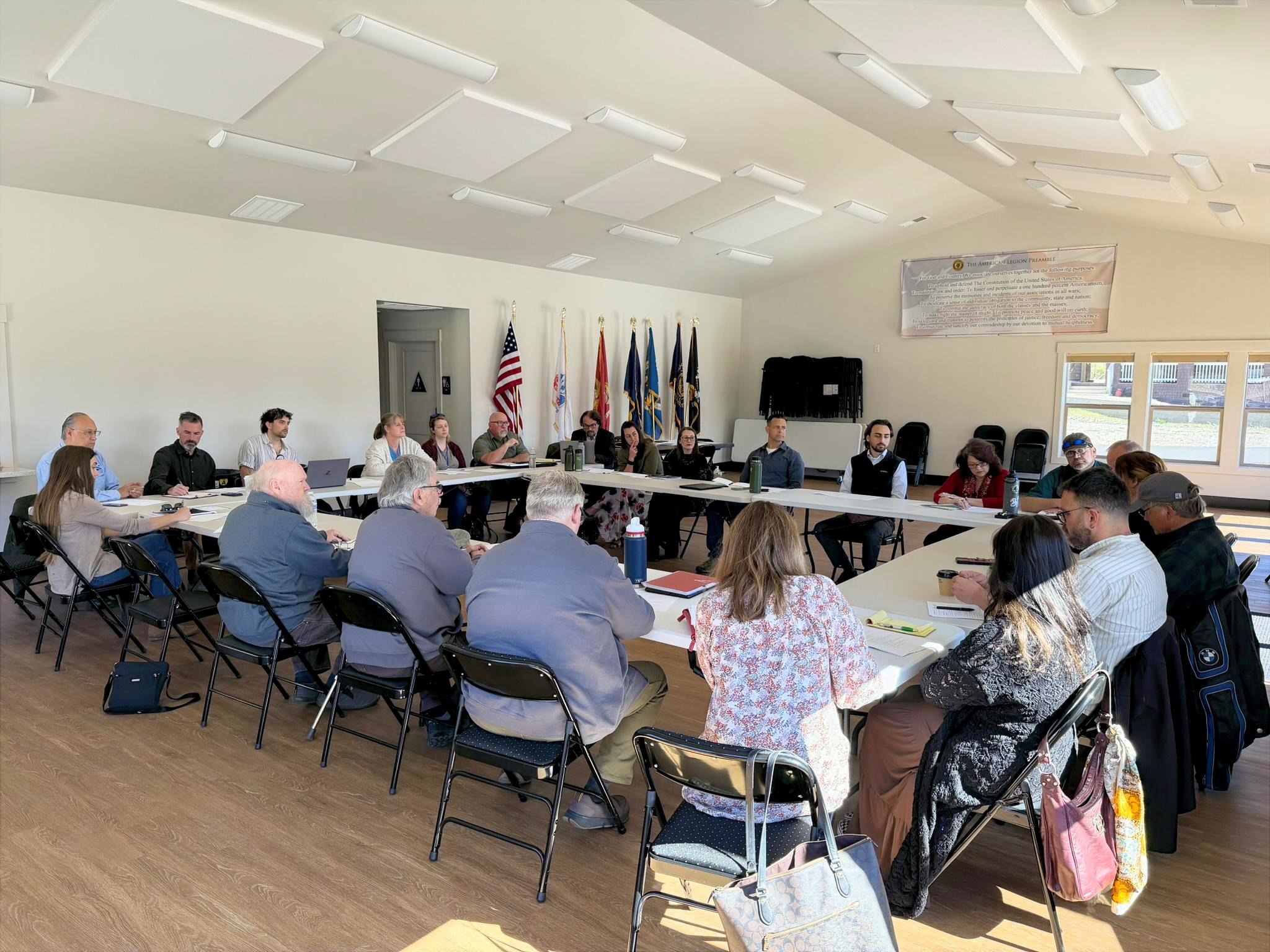
One of the most transformative outcomes of this work is the creation of the Plumas Housing Council (PHC) in April 2024.
PHC brings together:
- Nonprofits
- Developers
- Major employers
- Educators
- County & State representatives
- Housing advocates
In just one year, PHC has:
- Supported Welcome Home Greenville
- Advanced Built for Plumas
- Helped launch Move‑In Plumas
- Earned recognition from State Senator Megan Dahle
- Become a trusted convener for housing coordination
PHC is now formally recognized in the Plumas County General Plan Housing Element, cementing its role as a long‑term governance structure.
Introducing the 2026–2028 Housing Strategy Framework
The newly released framework distills 3.5 years of work into six guiding principles that will shape the next phase of housing efforts in Plumas County:
Principle A: Countywide Housing Coordination & Governance
Strengthen cross‑agency alignment and maintain a durable, neutral coordination structure through PHC.
Principle B: Attainable Housing Production
Advance workforce housing, missing‑middle development, and burn‑scar recovery projects.
Principle C: Activate Underutilized Housing
Bring vacant, under‑occupied, and short‑term rental units back into the long‑term rental market.
Principle D: Economic Vitality Through Housing
Connect housing development to workforce stability, employer needs, and community identity.
Principle E: Shared Language & Communication
Build a unified narrative to reduce misinformation and increase public understanding.
Principle F: Building Long‑Term Capacity
Ensure the systems, staffing, and tools exist to sustain multi‑year implementation.
Each principle includes actionable recommendations, champions, and key partners—creating a clear roadmap for the next three years.
TAF’s Evolving Role
As local capacity grows, TAF is transitioning from a primary driver to a strategic steward.
TAF’s ongoing responsibilities include:
- Assessing direction and updating the Strategic Housing Plan as conditions evolve
- Serving as an active advisory member of the Plumas Housing Council
- Acting as a storyteller, sharing progress with funders, partners, and the public
TAF remains deeply committed to housing as a cornerstone of community vitality and workforce development.
Thank You LMNOP Design
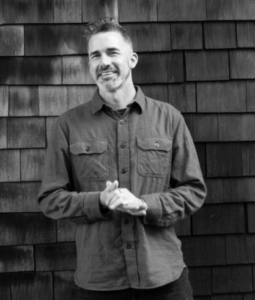
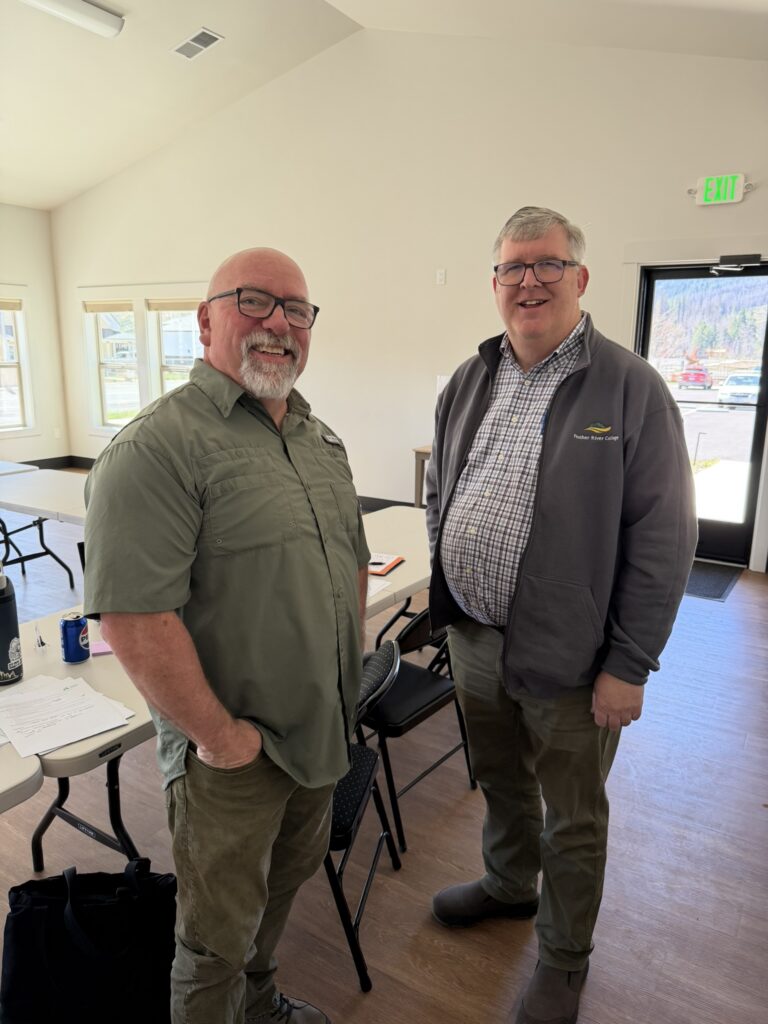
As TAF transitions from primary driver to supportive partner, we express our deepest gratitude to Tyler Pew (left) and Ben Hoffman (right), the LMNOP team.
What has been accomplished in just 3.5 years is extraordinary — far beyond what most fire‑impacted regions achieve in such a short time. Their ingenuity, persistence, relationship‑building, and “outside‑the‑box” thinking have helped shape a stronger, more coordinated housing landscape for Plumas County.

We are profoundly grateful for their leadership and partnership.
Welcoming a New Chapter with Plumas Rural Services
With TAF taking a step back, we are thrilled to share that Gary McFarland has joined Plumas Rural Services (PRS) to lead the ongoing work of the Plumas Housing Council through PRS and the continued development and completion of the Built for Plumas program.
Gary’s leadership ensures that the work born from our investment and effort will continue with strong local ownership and long‑term sustainability.
Looking Ahead
With the release of the 2026–2028 Plumas County Housing Strategy Framework, the county is entering a new chapter—one defined by local leadership, shared vision, and long‑term capacity.
The groundwork has been laid.
The partnerships are strong.
The momentum is real.
Plumas County is ready to build the future of housing—together.